Flex Nib Fountain Pens
True flex fountain pens for expressive line variation—soft, responsive, and made for pressure-controlled strokes.
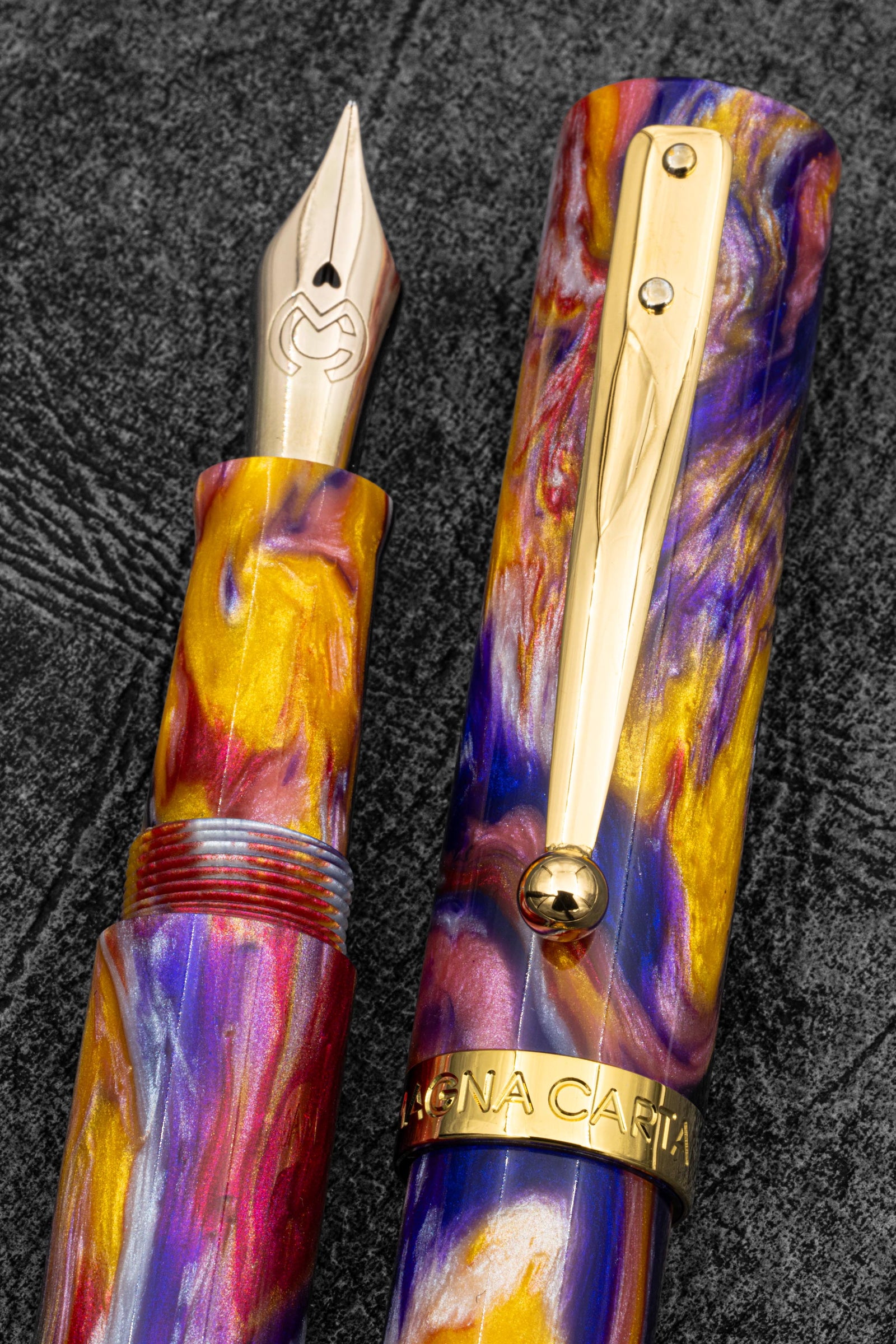

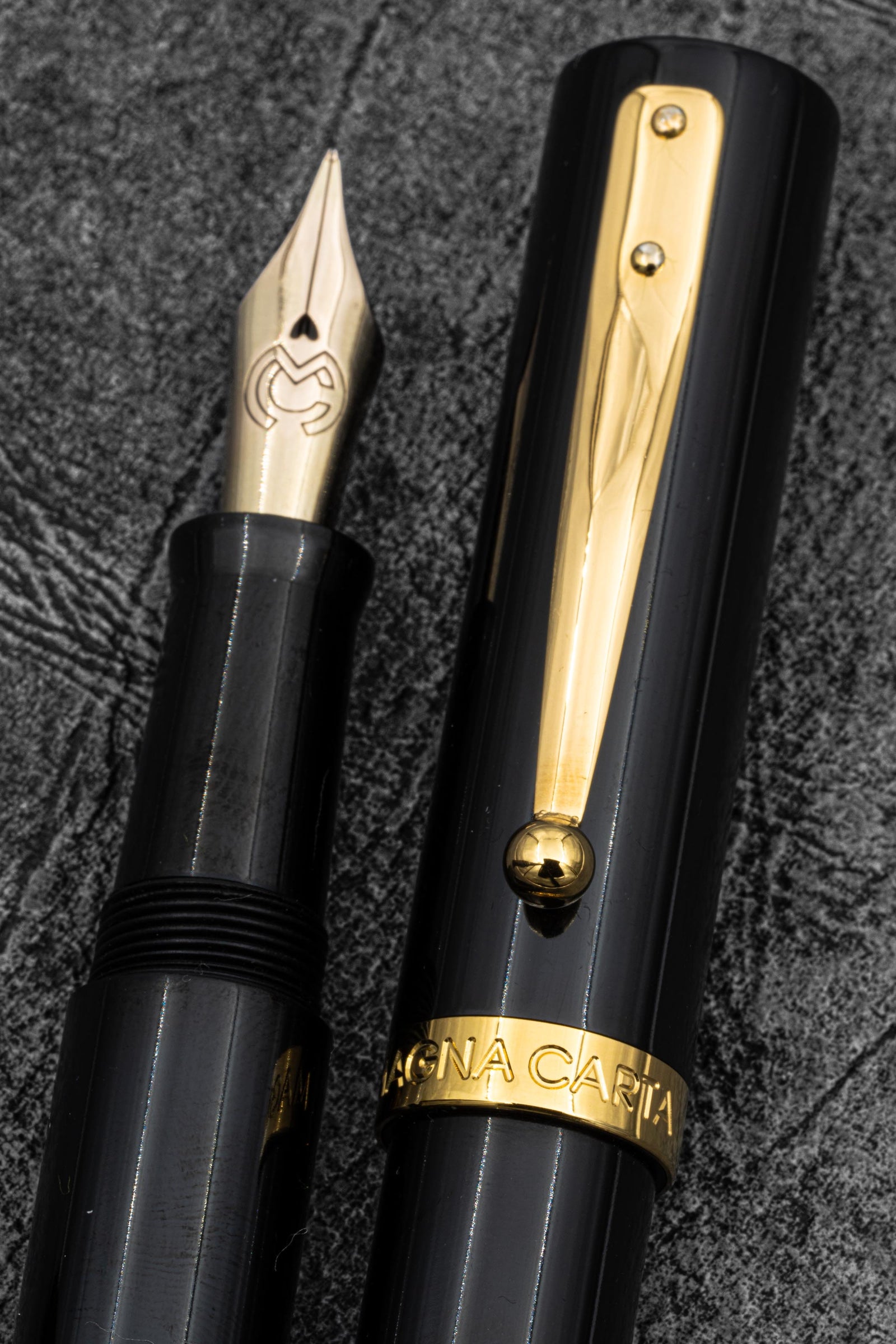

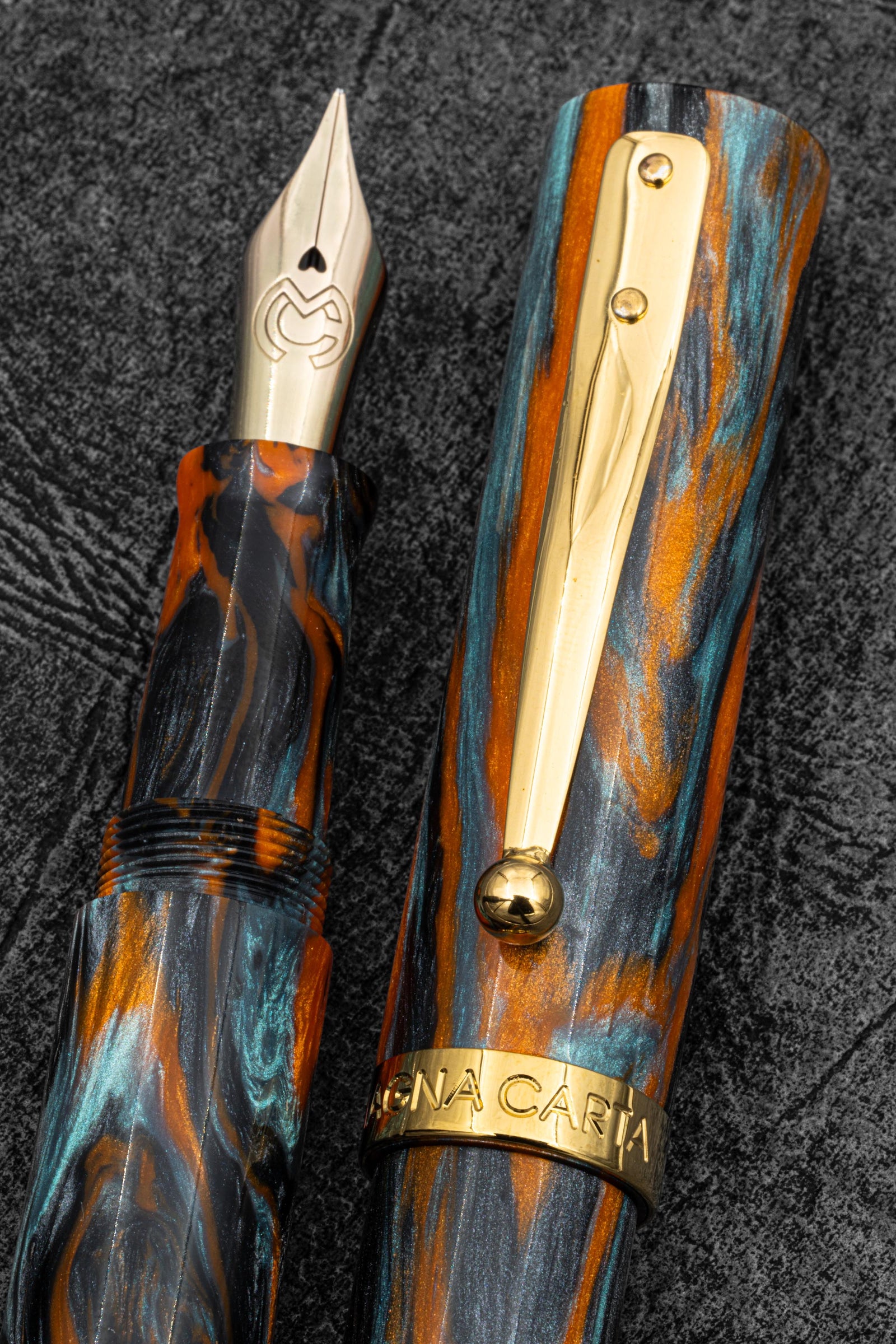

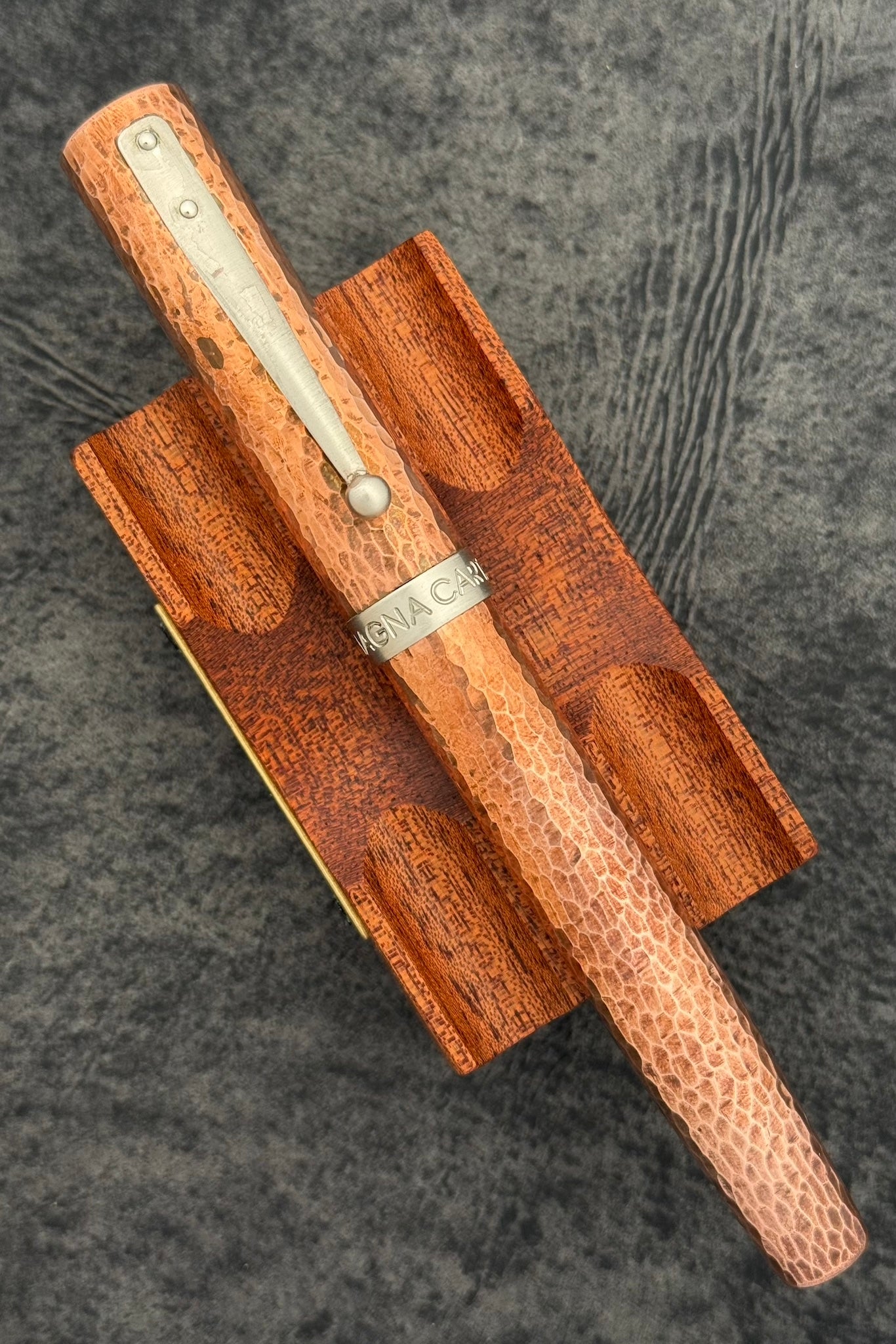

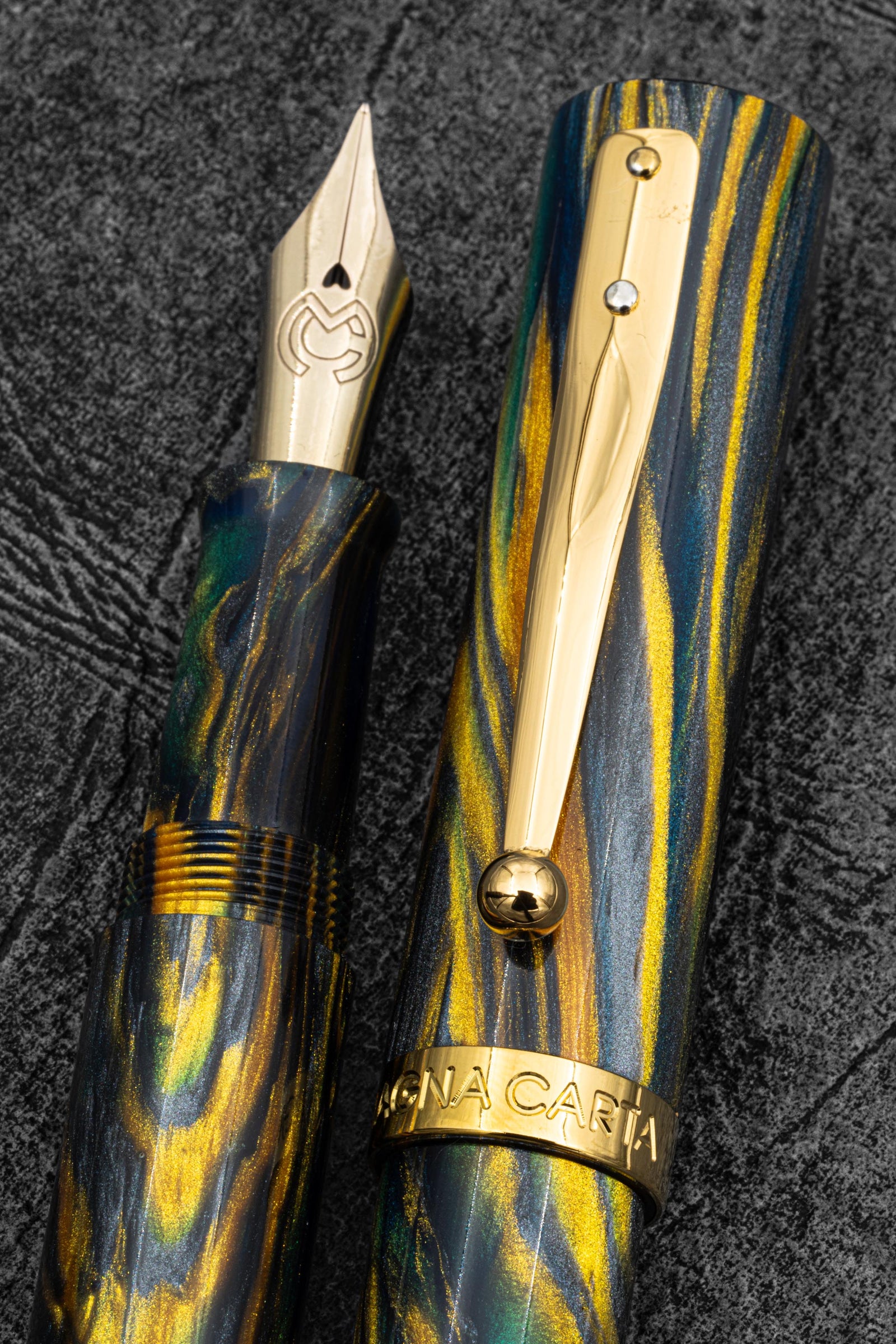

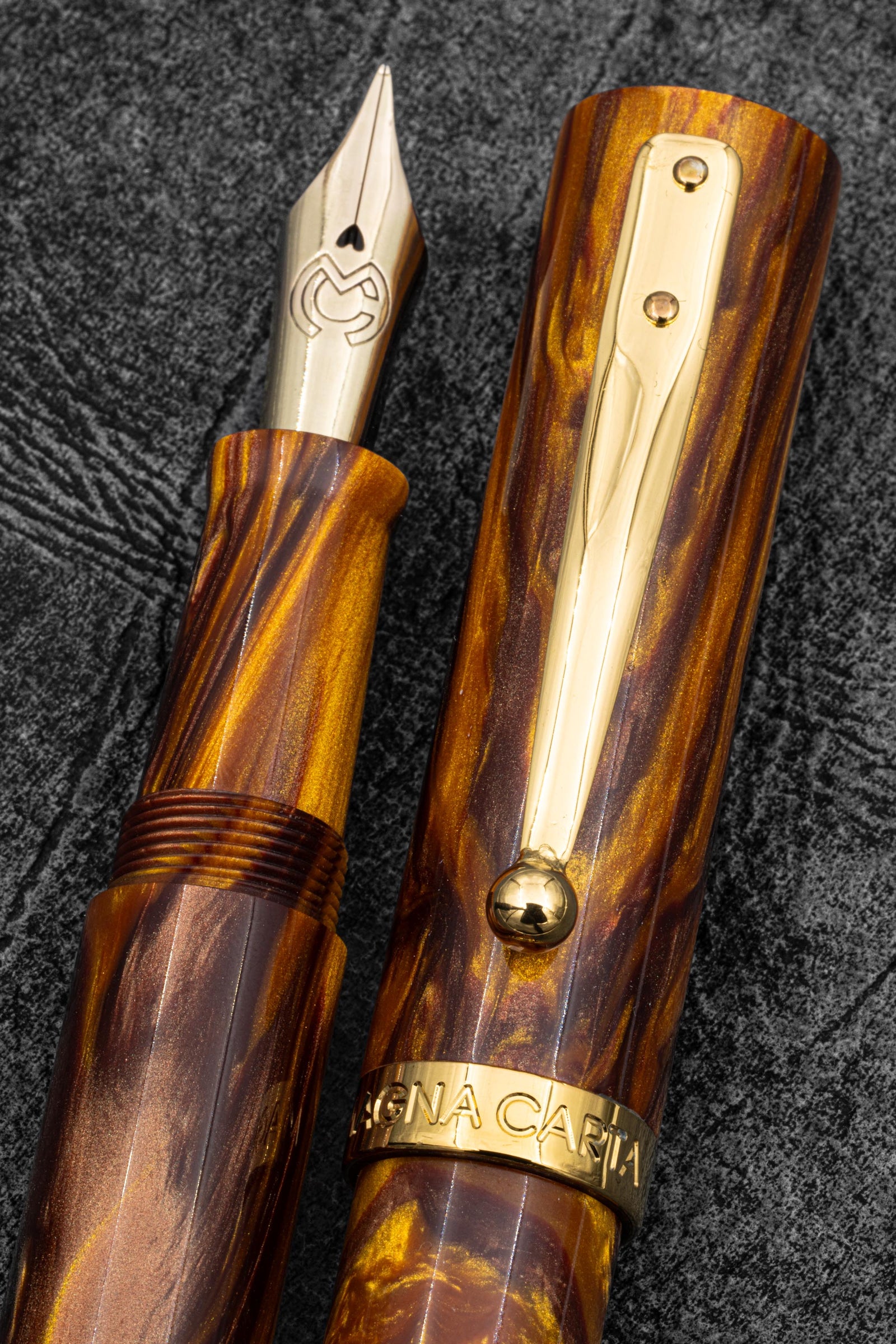

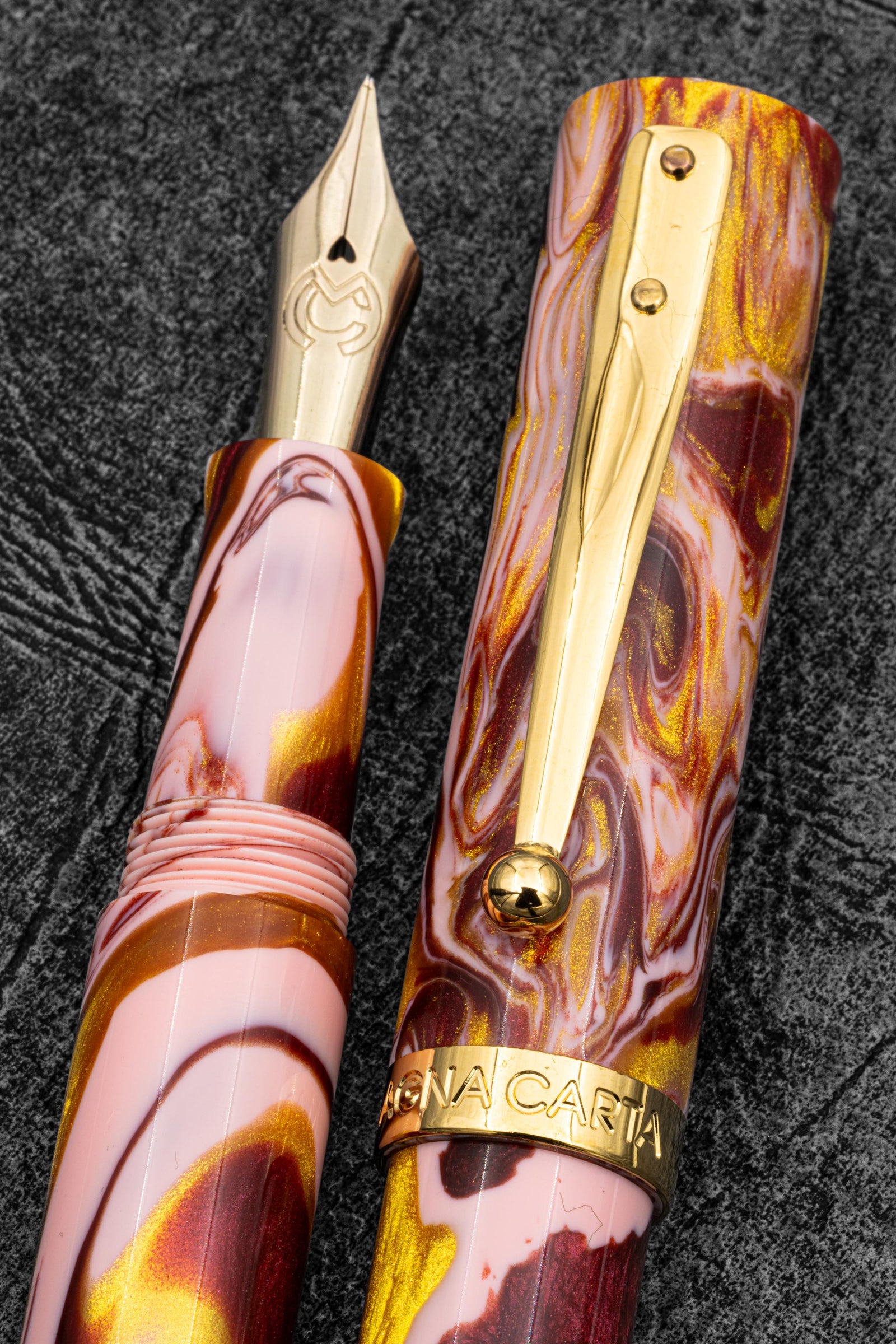

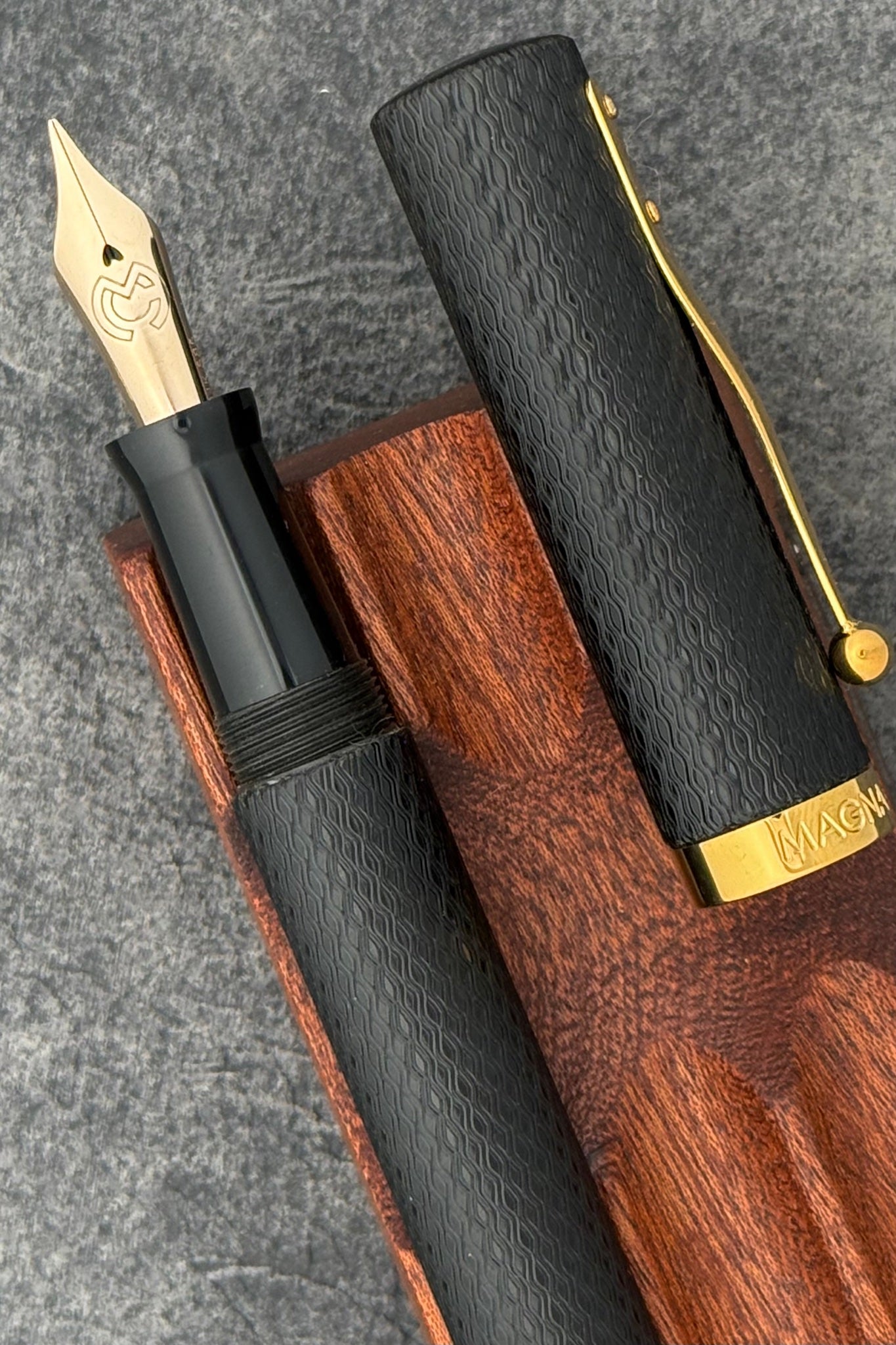

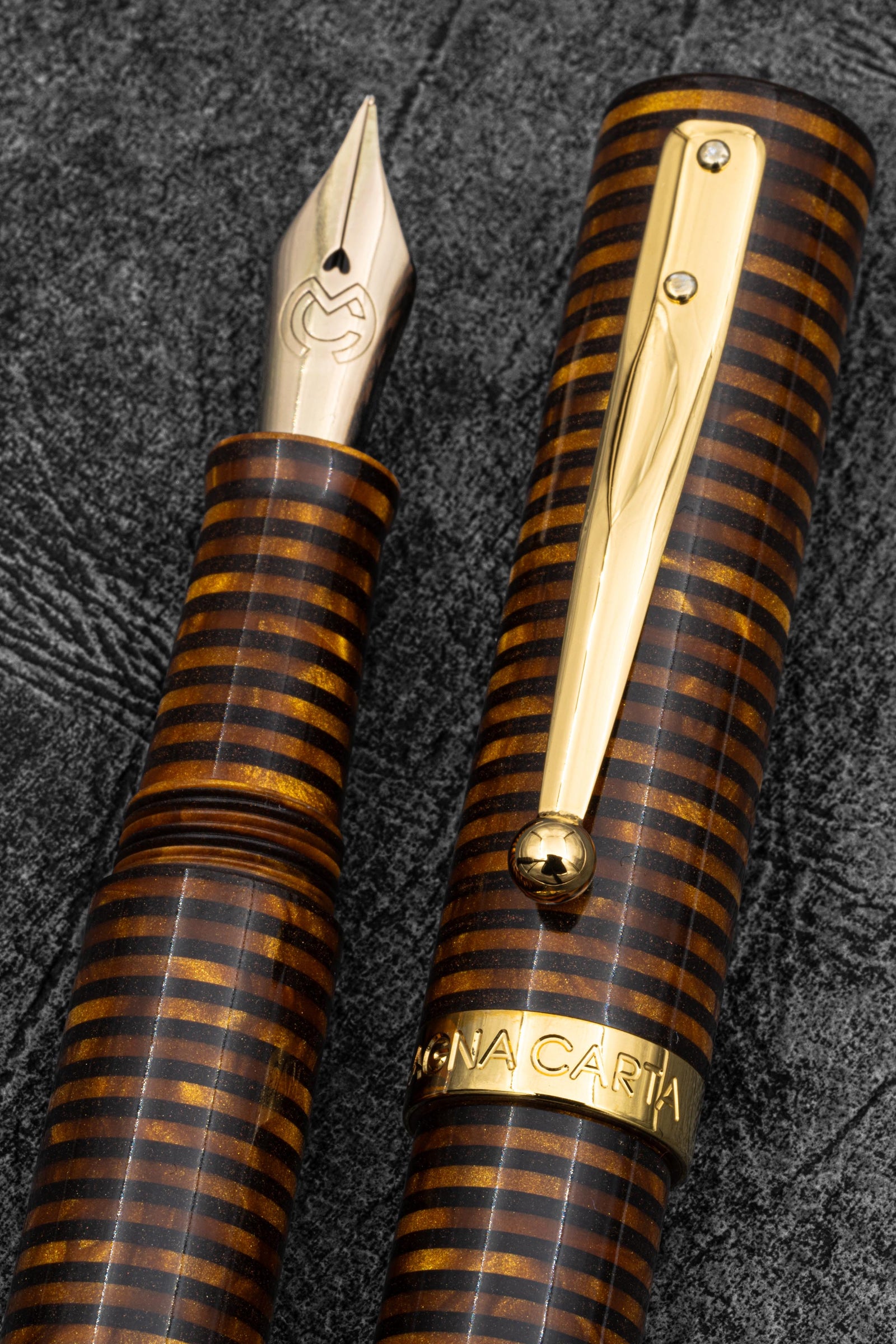

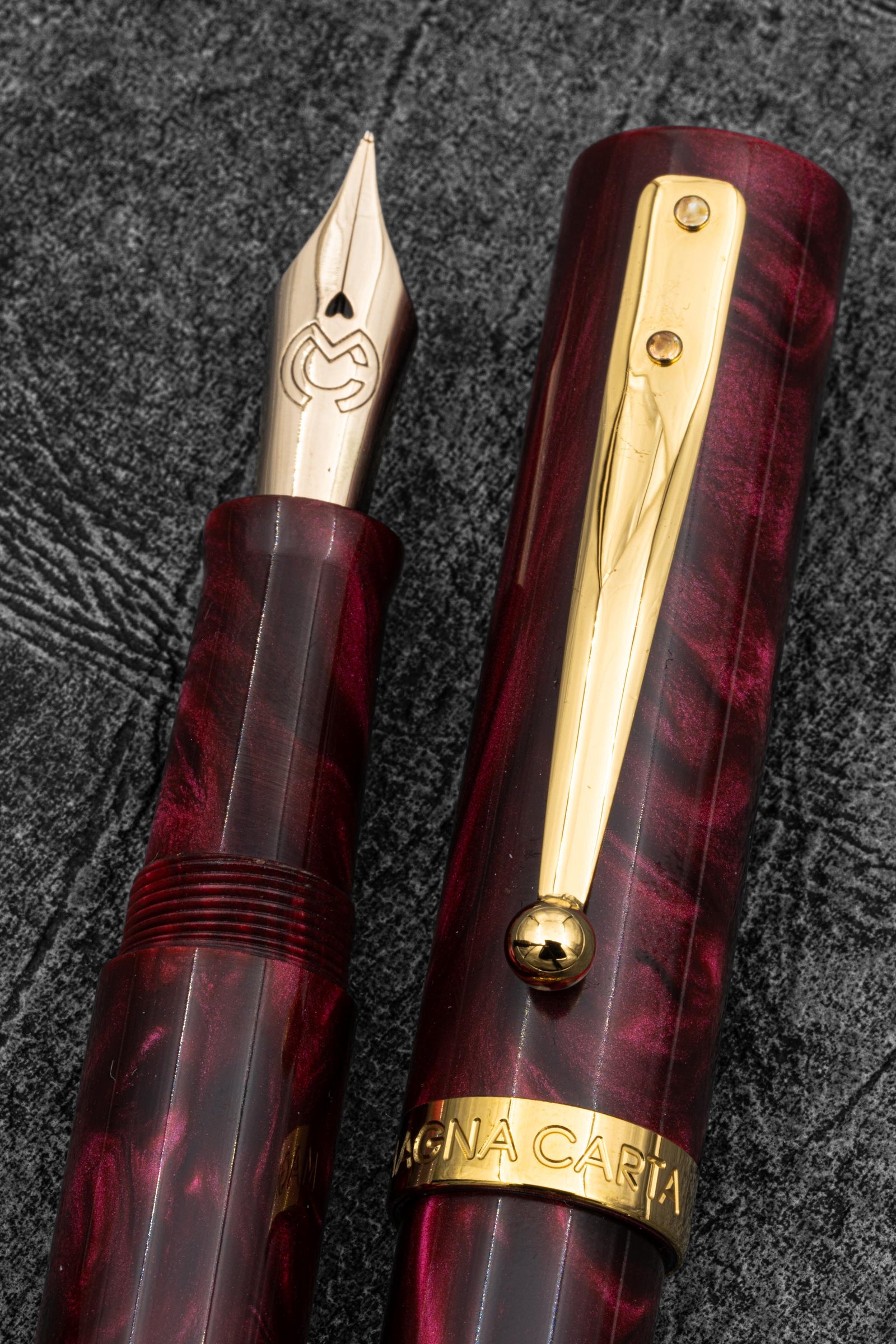

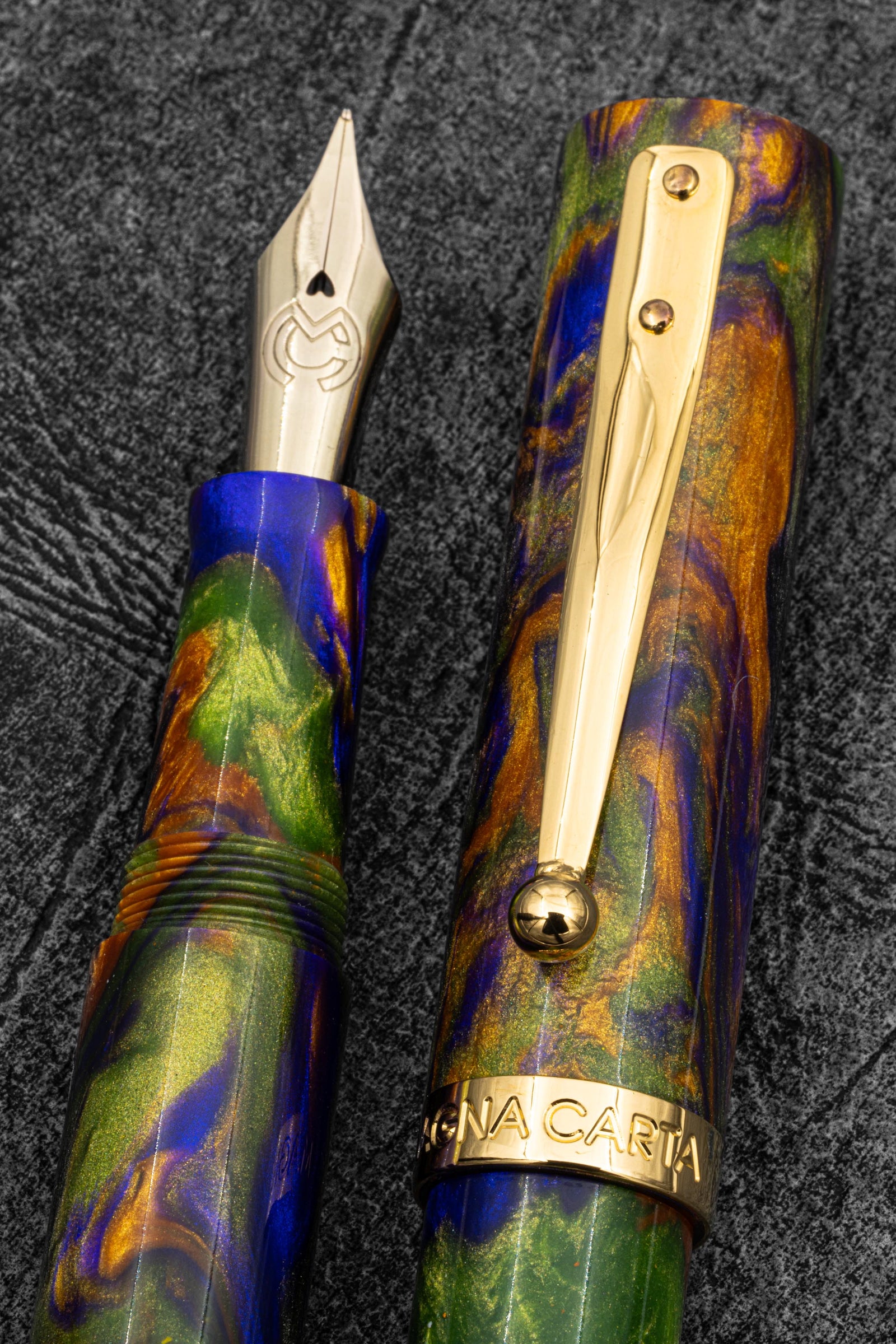

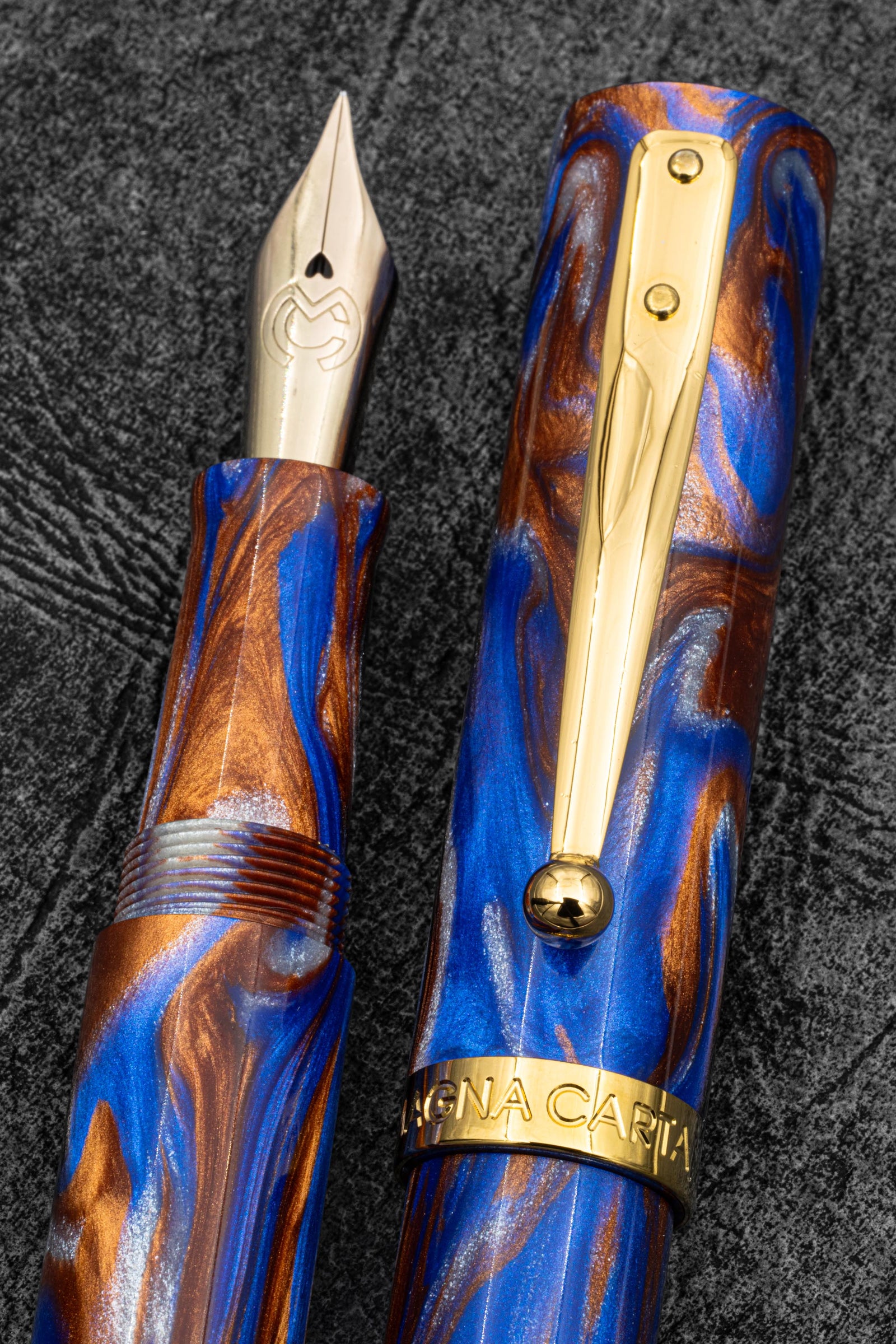

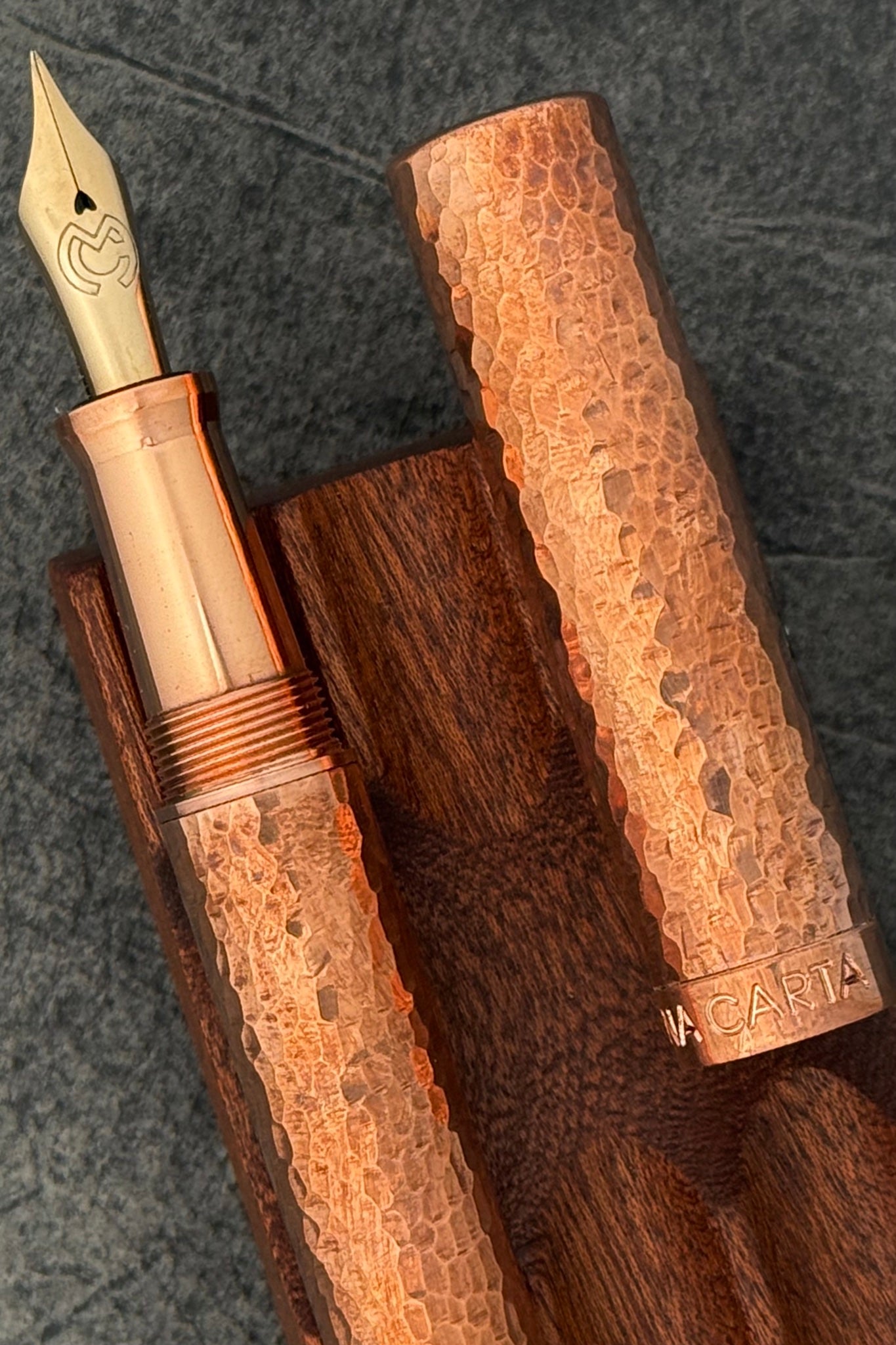


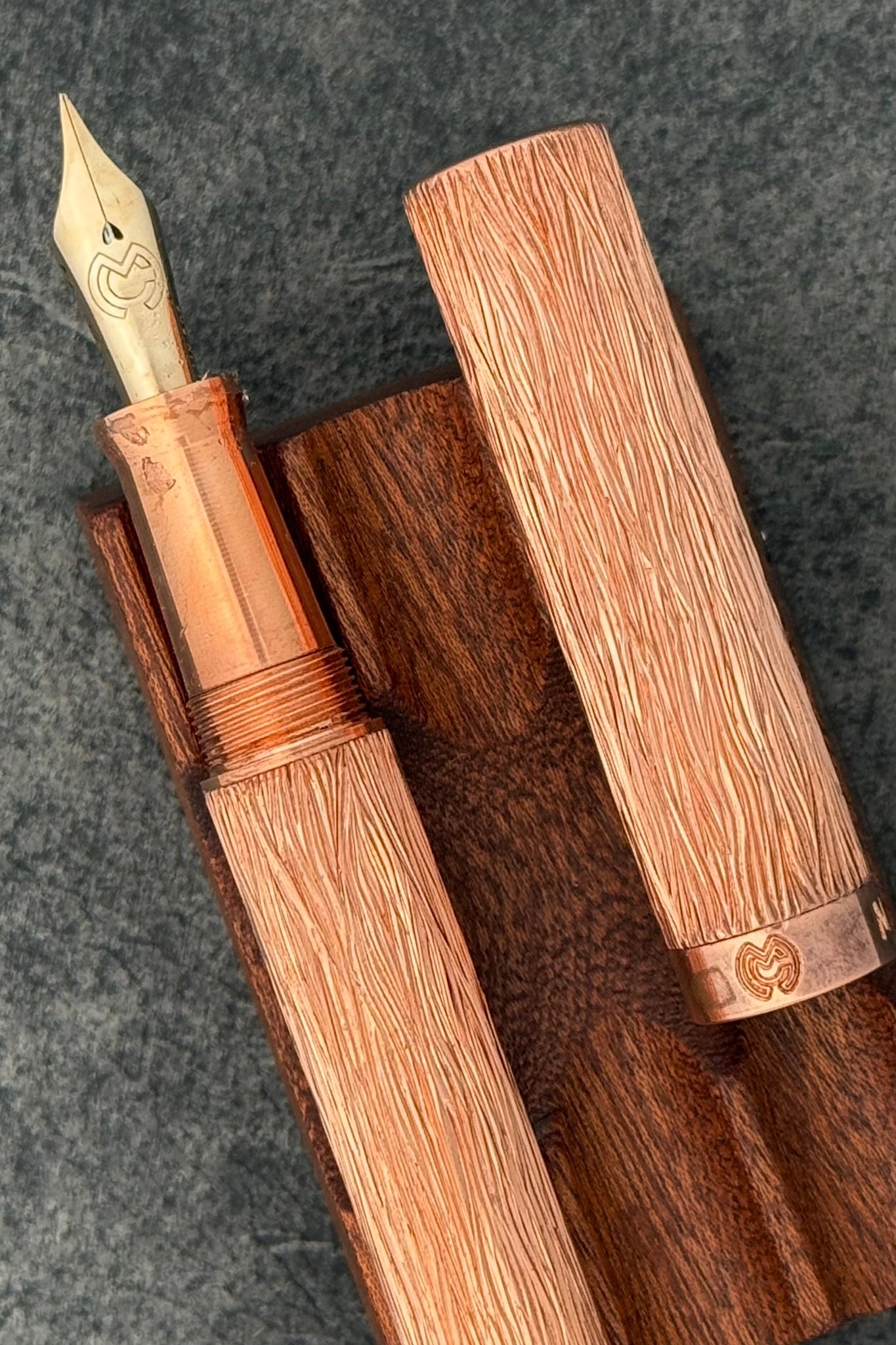

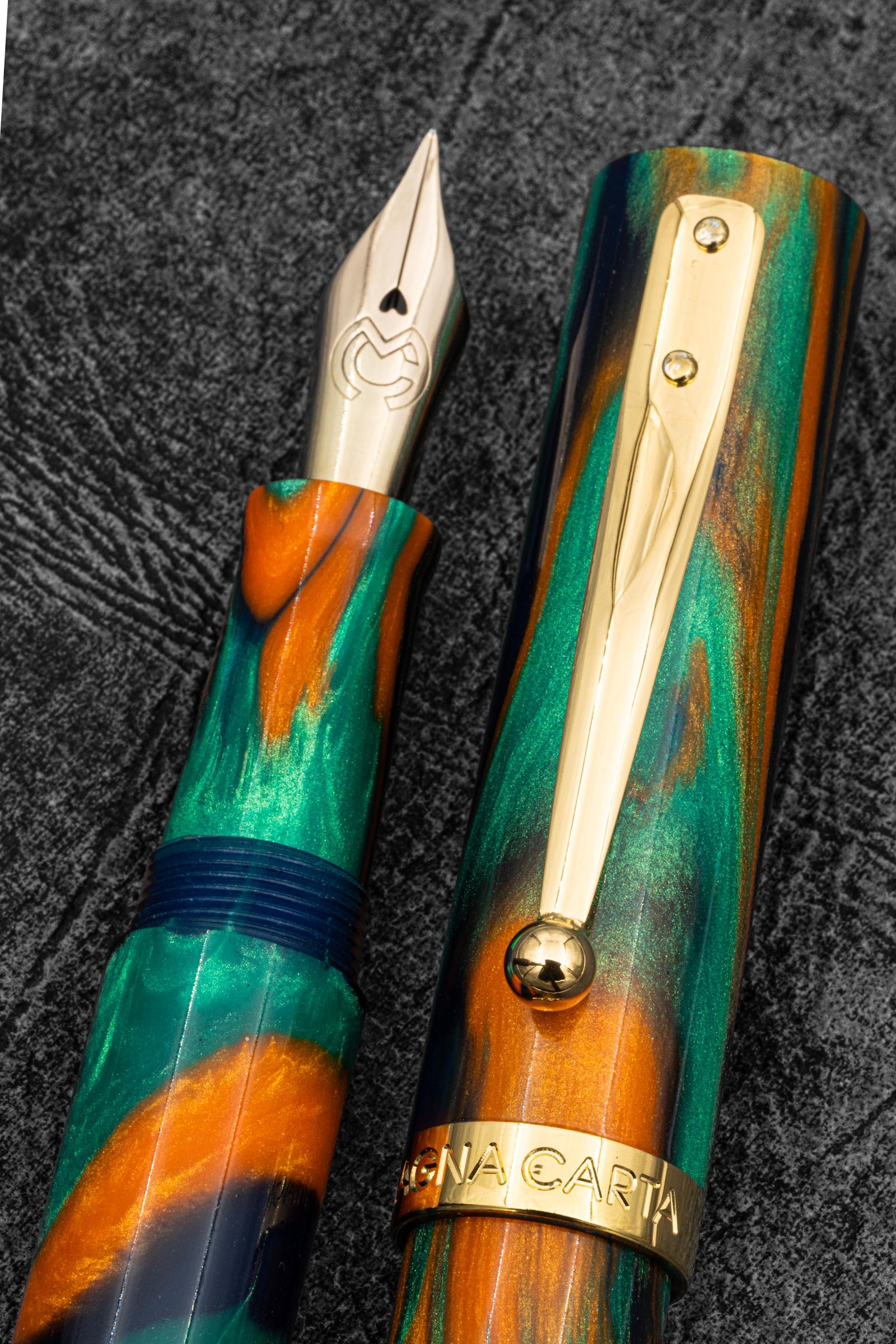

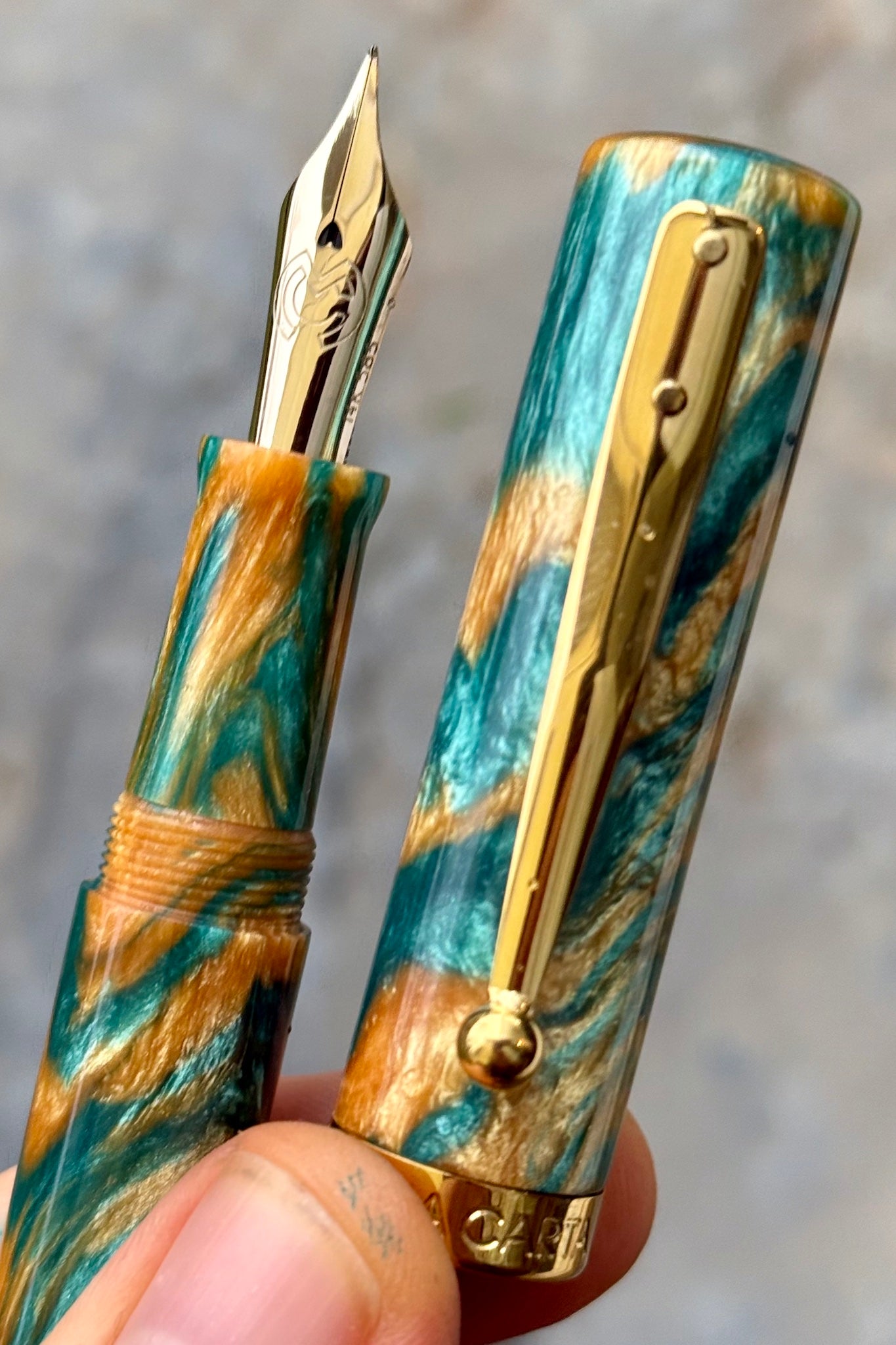

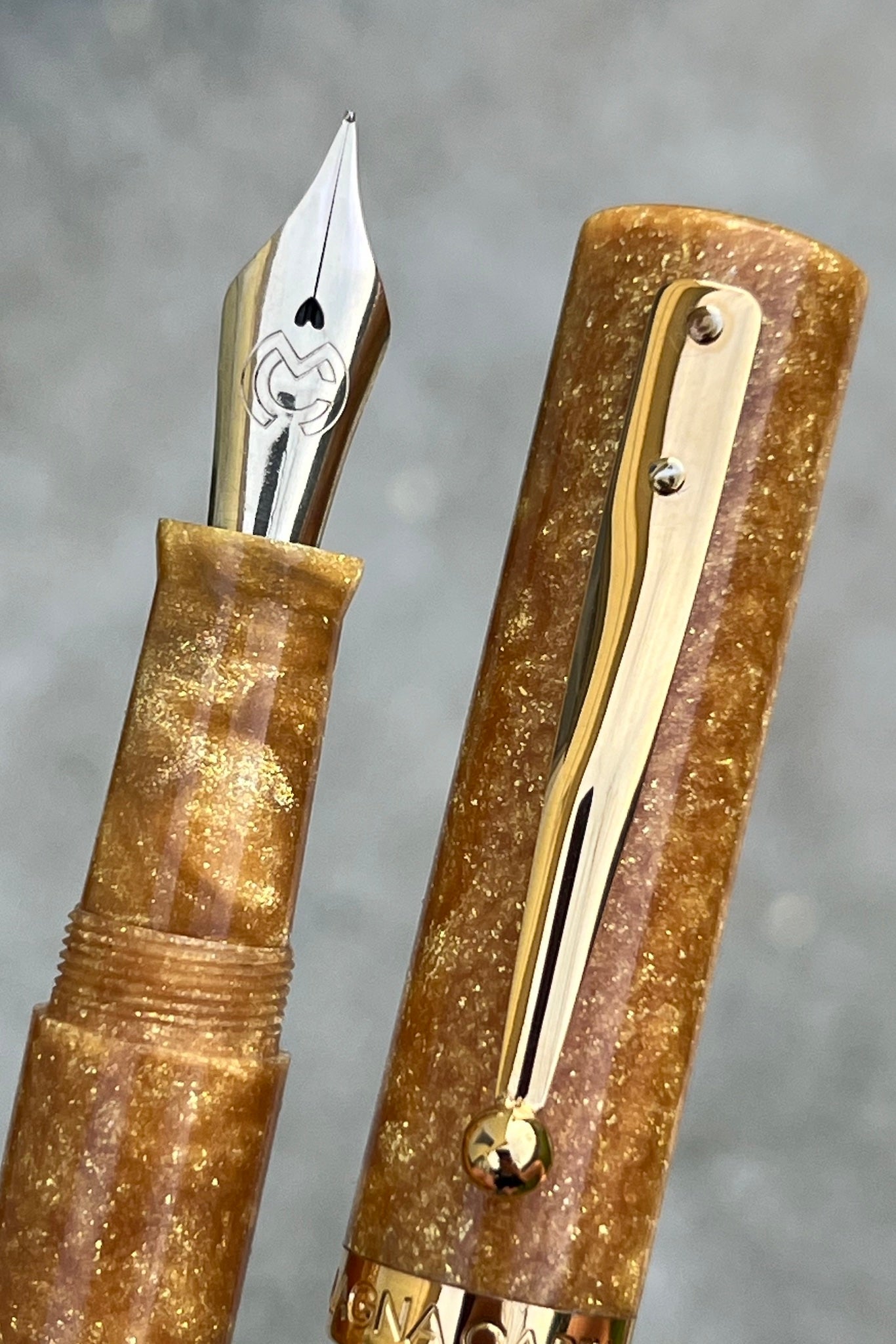
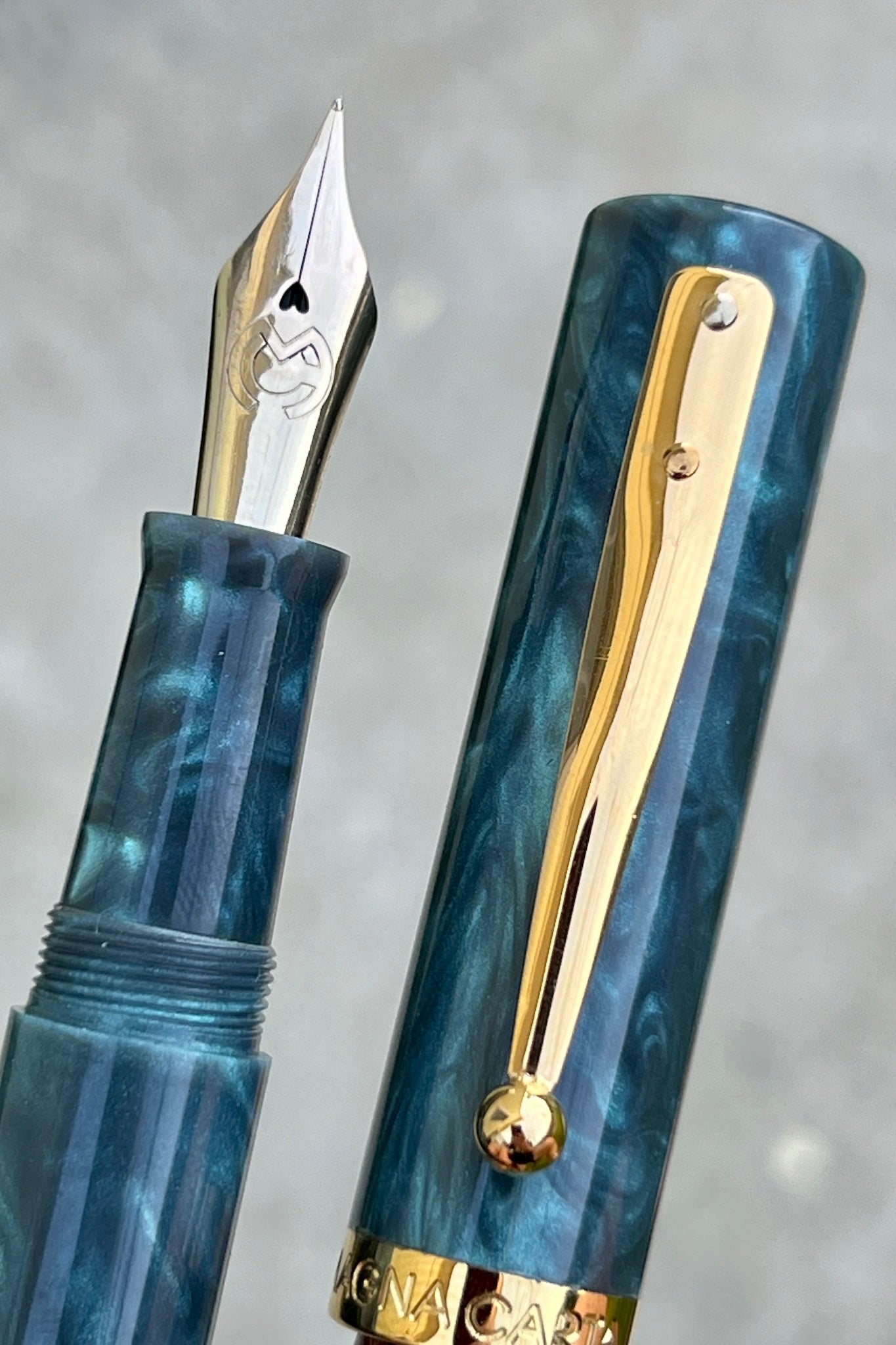
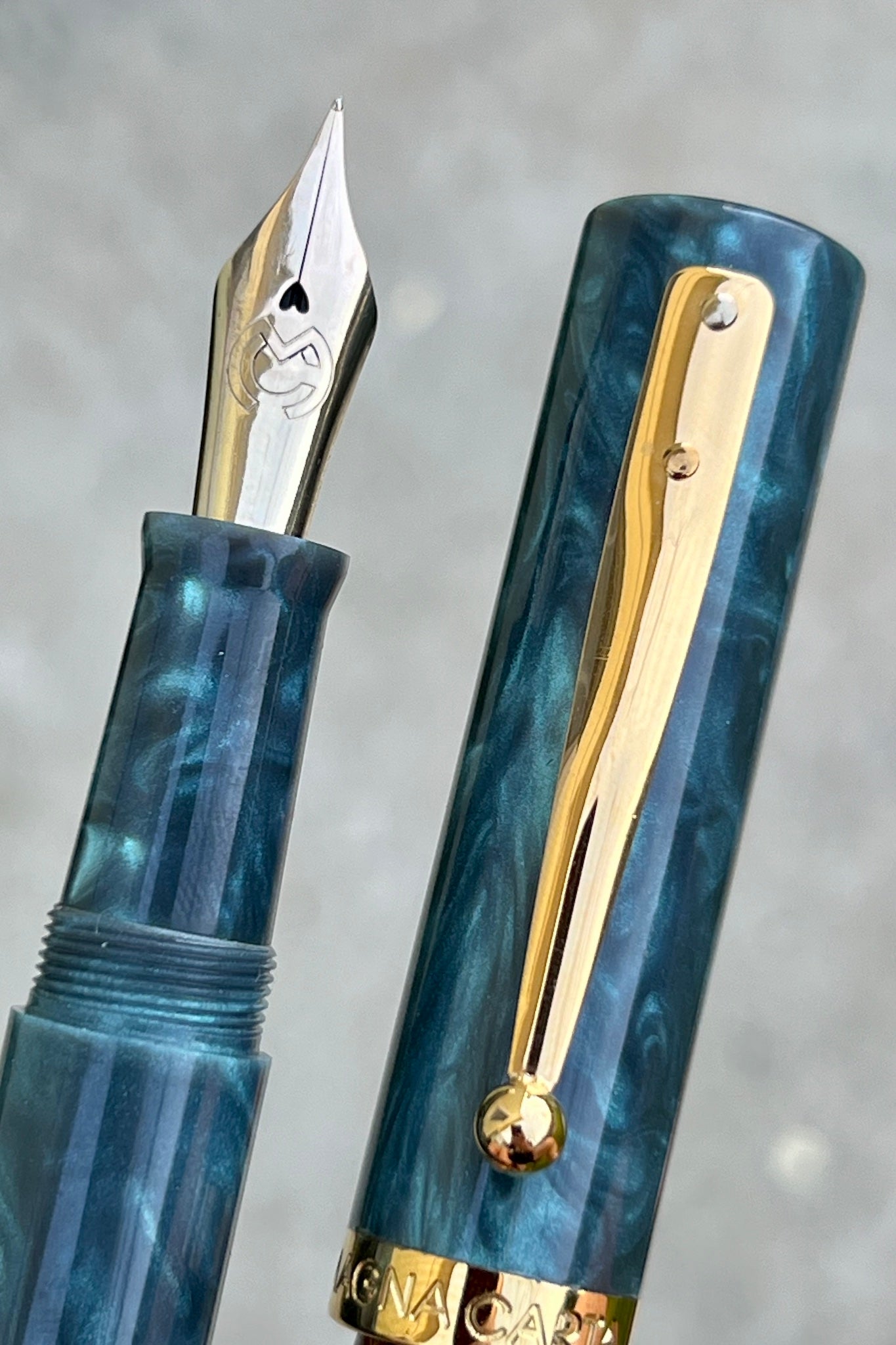
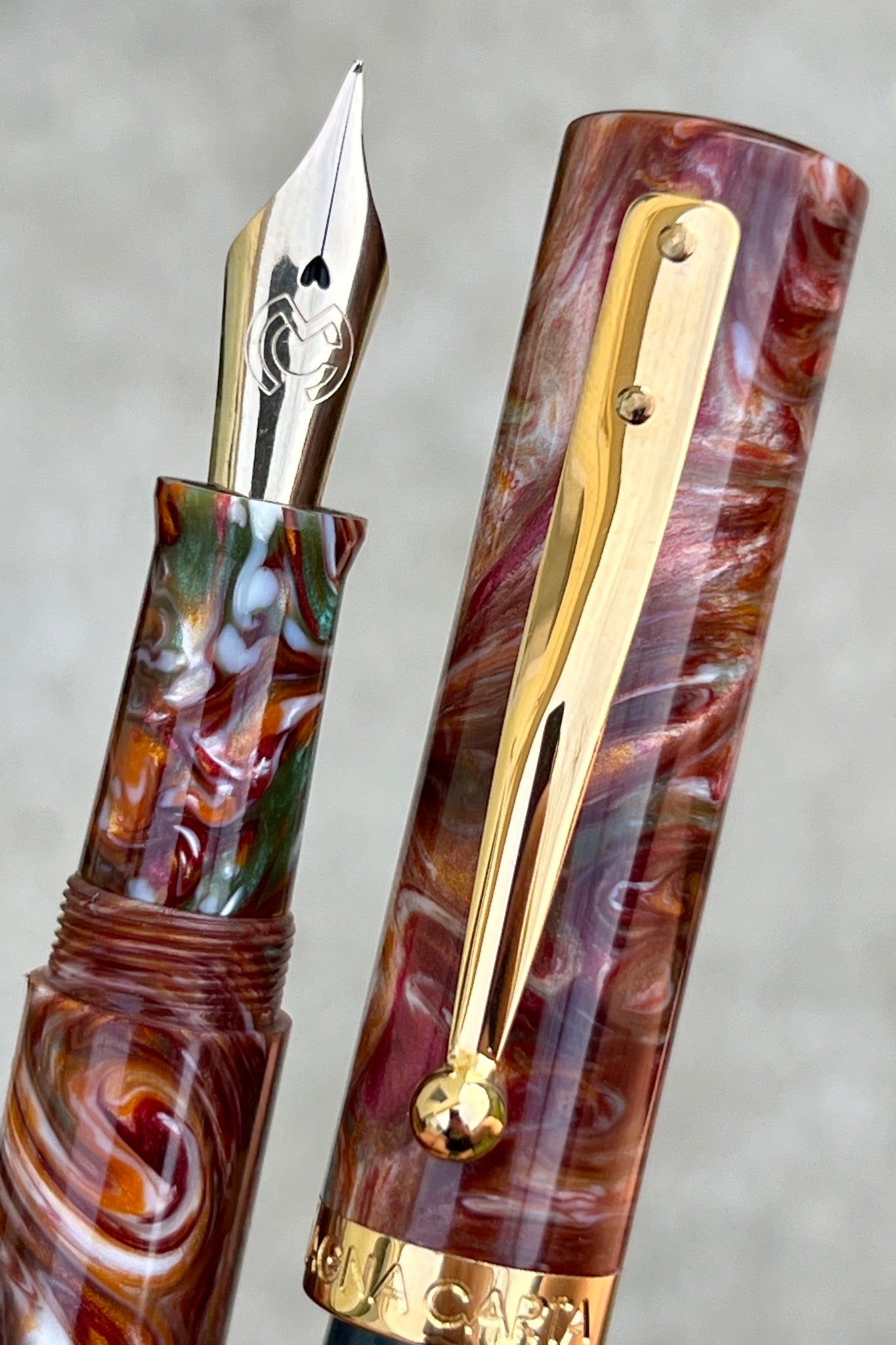
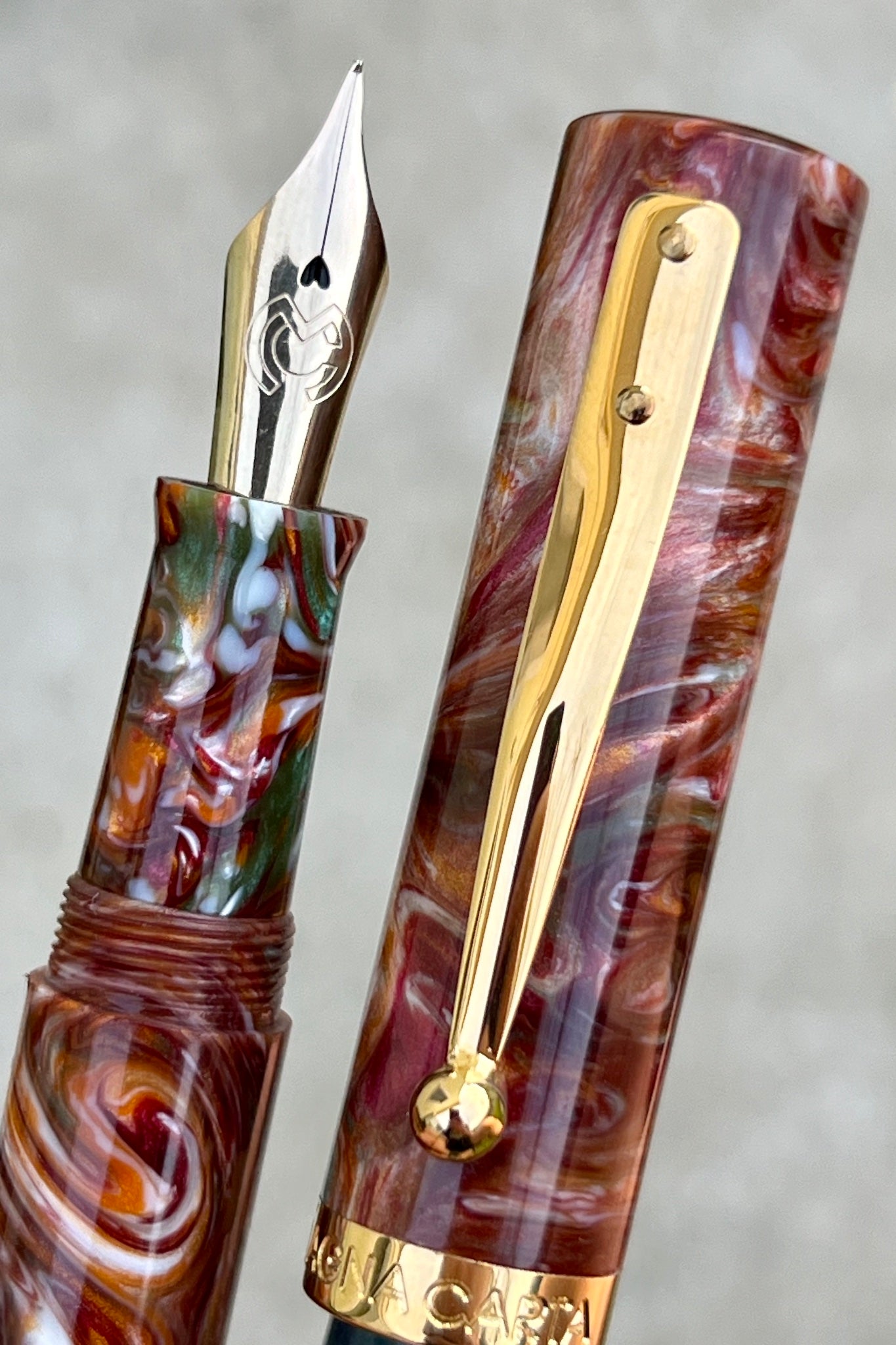
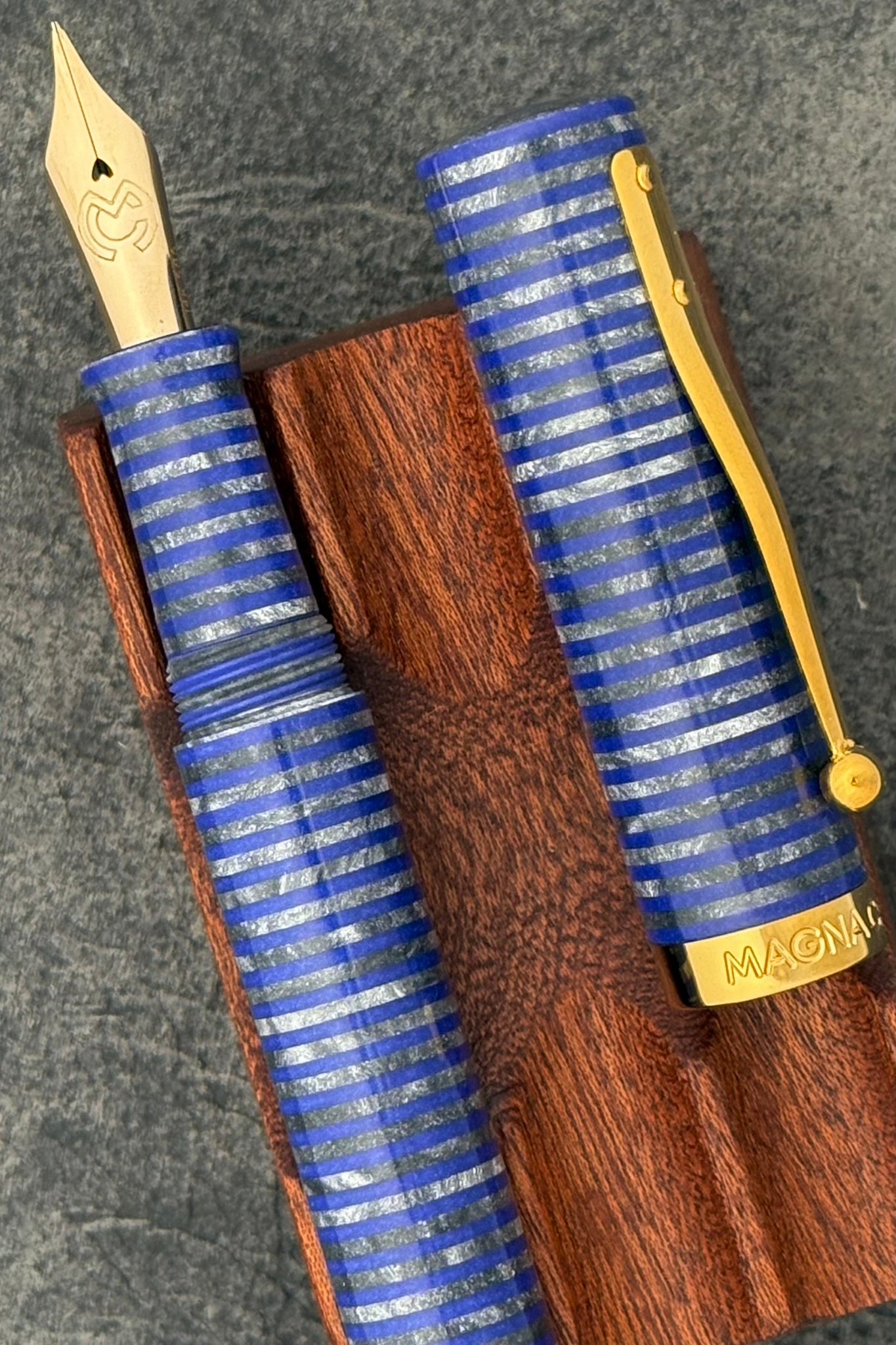


What “True Flex” Really Means
This collection focuses on real flex (think Magna Carta Mag 600, Scribo semi/half-flex, and vintage-style flex behavior) rather than “bouncy” standard nibs.
- Line variation for copperplate-style writing and artistic scripts
- Best results with light pressure and good paper
Also see Fountain Pens, explore Fountain Pens for Drawing, or keep it compact with Pocket Fountain Pens.
Why Choose a True Flex Fountain Pen
True flex fountain pens are ideal if you want:
- Dramatic line variation for copperplate-style writing
- Expressive strokes for artistic scripts and sketching
- Responsive nibs that react instantly to pressure changes
- A vintage-style writing feel, without vintage fragility
Used correctly, flex nibs add emotion and rhythm to your handwriting.
How to Get the Best Results from Flex Nibs
True flex rewards technique.
- Use light pressure and let the nib do the work
- Pair with high-quality fountain pen paper to prevent feathering and railroading
- Slow down. Flex writing is about control, not speed
When everything clicks, the experience is unmatched.
FAQs About Flex Fountain Pens
What are true flex fountain pens?
True flex fountain pens are designed to deliver real line variation through light, pressure-controlled strokes. The nib opens as you apply pressure, creating thin upstrokes and bold downstrokes. These are not bouncy nibs. They are built for expressive writing.
How are they different from soft or bouncy nibs?
Soft or bouncy nibs feel cushioned but show minimal line variation. True flex nibs visibly spread under pressure, producing dramatic contrast similar to vintage flex behavior.
What are true flex fountain pens best used for?
They excel at copperplate-style writing, artistic scripts, expressive journaling, and calligraphy-inspired lettering where line variation matters.
Are true flex fountain pens good for everyday writing?
They can be used daily, but they perform best during slower, intentional writing sessions. Fast note-taking is usually better suited to firmer nibs.
How much pressure should I use?
Very little. Let the nib do the work. Excess pressure can damage the nib and reduce performance.
Do I need special paper or ink?
Good paper is strongly recommended. Smooth, fountain-pen-friendly paper and well-flowing ink help prevent feathering and railroading.
Are true flex fountain pens beginner-friendly?
Yes, if you write lightly and patiently. Heavy-handed writers may need time to adjust their technique.
Do true flex nibs wear out quickly?
No. With proper use, cleaning, and light pressure, they are durable and built to last.
Who should choose a true flex fountain pen?
Writers and artists who want visible line variation, pressure sensitivity, and a more expressive connection between hand and page.

